Services
Roof Replacement in Miami, Built for the Hurricane Zone
Tile, flat and metal re-roofs in Miami with approved products, a city permit and every inspection passed before the final bill.
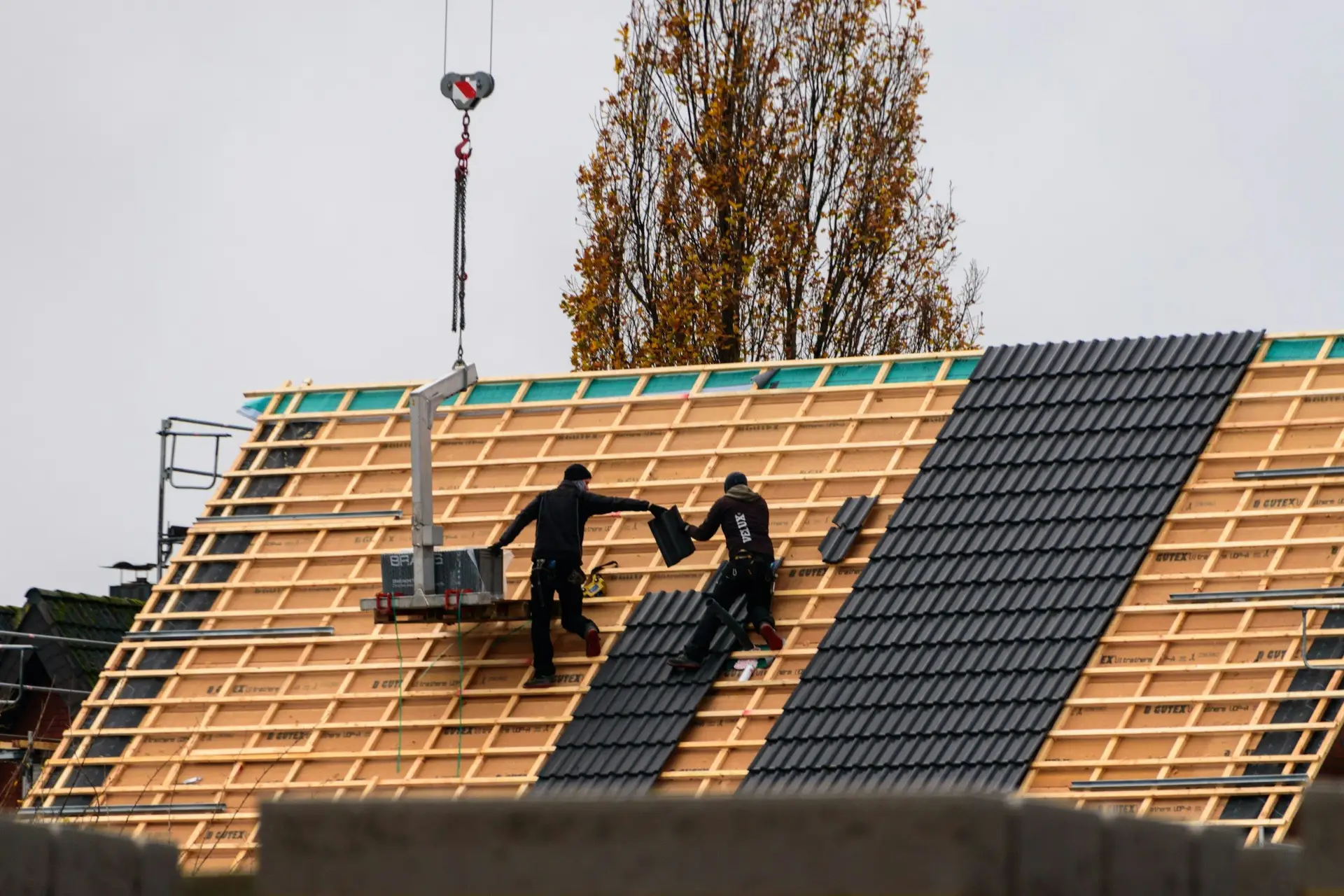
Roof replacement
Roof replacement in Miami is its own kind of job. The whole county is inside the High Velocity Hurricane Zone, the strictest section of the Florida Building Code, and that changes what goes on your roof, how it’s fastened and how many times a city inspector climbs up to look. We price a new roof with all of that in it from the first visit, so the number on your written quote is the number on your final bill.
When it’s time for a new roof
A roof doesn’t need replacing just because it’s old. It needs replacing when repairs stop holding, or when the parts you can’t see have worn out. On a Miami home that usually looks like one of these:
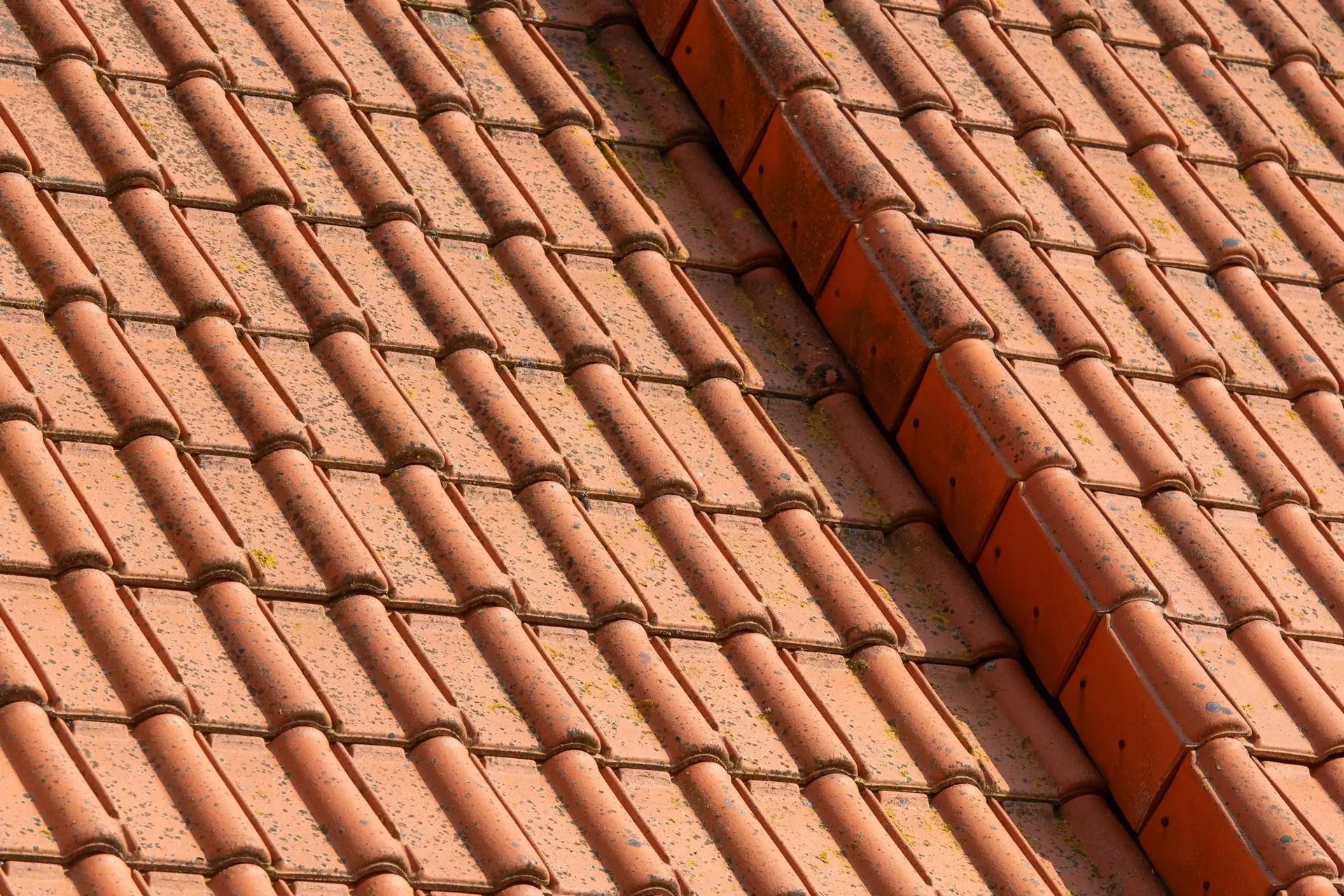
- Tile that’s fine on top, failing underneath. Concrete and clay tile can outlast the underlayment beneath it by years. When the underlayment dries out and cracks, water gets past the tile and the leaks start showing up in different rooms.
- A flat roof that ponds. Water sitting on a flat roof for more than a day or two after rain breaks down the membrane. Patching the wet spots buys time, but once the insulation underneath is soaked, the roof has to come off.
- Shingles losing their grip. Shingles that lift in every afternoon storm, or that leave piles of granules in the gutters, have stopped protecting the deck.
- Leaks you’ve repaired three times. If the same area keeps leaking after honest repairs, the problem is usually bigger than one spot.
We’ll tell you which of these you have, with photos. If a repair will do the job for a few more years, we’ll say that and price the repair instead.
What goes into a re-roof here
Approved products only
Every part of a roof in the High Velocity Hurricane Zone, from the underlayment to the tile, the metal panels and the adhesive, needs a product approval for that zone. In practice that means a Miami-Dade Notice of Acceptance, or NOA, a document that spells out exactly how the product has to be installed to meet the wind rules. We name the approved products on your written price, and we install each one the way its approval says.
Tile set to resist uplift
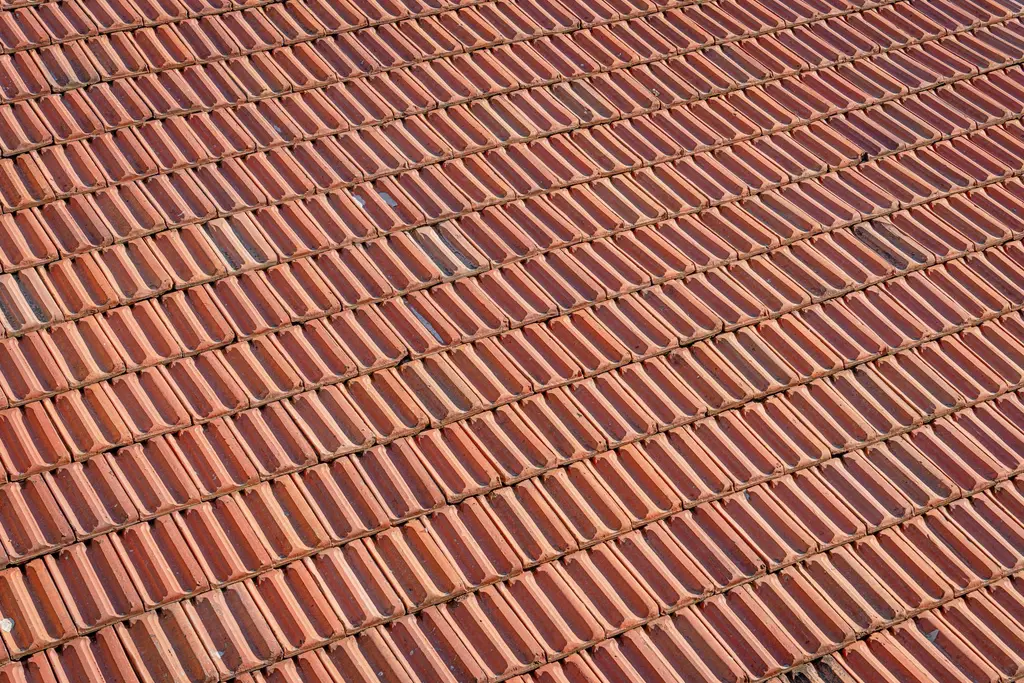
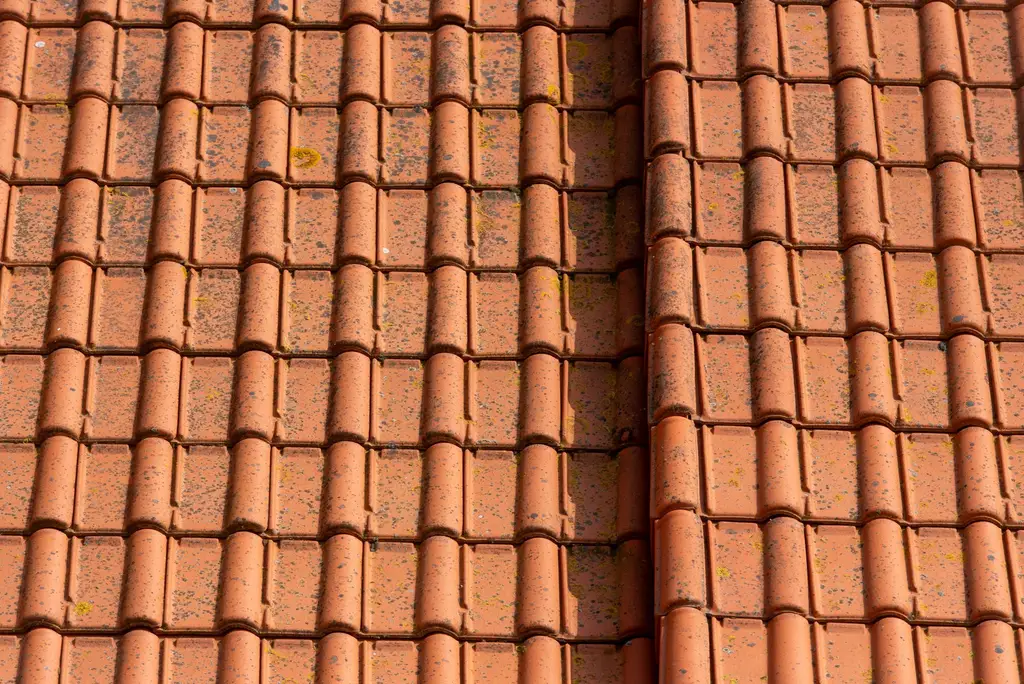
A tile roof in Miami isn’t just laid on battens and left to gravity. Each tile is set in foam adhesive, mortar or with mechanical fasteners, whichever its approval calls for, so the wind can’t peel it off. Hips and ridges get the same treatment. It’s slower work than tile further north, and it’s the reason Miami tile roofs come through storms that strip roofs elsewhere.
Flat roofs that drain
On a flat or low-slope roof, the most important thing isn’t the membrane, it’s the slope. We check where the water goes, add tapered insulation where it’s sitting, and make sure every drain and scupper is clear and flashed. Then the new membrane goes down: modified bitumen or a single-ply system, depending on the roof and your budget.
Metal that stays put
Standing seam metal panels run from eave to ridge with concealed clips, so there are no exposed screws to back out in the heat. In the hurricane zone the clip spacing gets tighter near the edges and corners, where wind pulls hardest. Metal costs more than shingle up front and less than tile, and it’s light enough for almost any frame.
Permit and inspections
You won’t see a crew on your roof before the permit is issued. The city or county reviews the plan, the products and their approvals first, and that review can take a few weeks. We file it, answer the building department’s questions and tell you when it’s approved.
Once work starts, the inspector comes back at set points: typically once the underlayment is down and before the tile or panels go on, and again when the roof is finished. We book each one and don’t move on until it passes. When the final inspection is signed off, you get a copy of the permit record with your closing paperwork. If you ever sell the house, that record matters.
Your written price
After the free inspection you get one page with every line priced: tear-off and disposal, decking repairs by the sheet, underlayment, the roof covering itself, flashing, drip edge, vents, the permit and cleanup. The approved products are listed by name. If the price includes rotten decking or tile matching, those lines are on the sheet with a unit cost, so there’s nothing to argue about on the roof.
On the day
Tear-off starts early, before the heat. We cover landscaping and the pool if there is one, and we keep a trailer or a dumpster on site so debris goes straight from the roof into it. Each evening the roof is dried in so a surprise storm can’t get in. At the end of every day you get a text with photos of where the job stands.
On the last day we run a magnetic sweeper over the driveway, the lawn and the beds, twice. Then we walk the job with you, roof and yard, before we call it finished.
After the roof is on
A new roof built to the current code with its permit on file can change what you pay for wind insurance, because insurers credit features that resist wind damage. A wind mitigation inspection records those features on the state form. We can point you to how that works, but the discount itself is your insurer’s call.
If the roof damage that started this came from a storm, start with a hurricane damage inspection, and if you’re making a claim, see what our insurance claim paperwork includes. For smaller problems, look at roof repair first. To check the products on any estimate, ours or someone else’s, read our guide to Miami-Dade product approvals. We replace roofs across Miami, Hialeah and Coral Gables.
Roof replacement by town
- Roof replacement in Miami, FLBarrel tile in Little Havana, flat roofs on duplexes in Allapattah and metal on new builds near the river.
- Roof replacement in Hialeah, FLFlat and low-slope roofs on block homes, plus the shingle and tile roofs on Hialeah's newer streets.
- Roof replacement in Coral Gables, FLClay and concrete tile on Mediterranean homes, re-roofed to the city's design rules and the hurricane code.
Guides
- Re-Roofing in an HOA: Approvals, Colours and TimingRe-roofing in an HOA community around Coral Gables and Miami. How architectural approval fits with the permit, picking an approved tile, and planning the job.
- Miami-Dade Product Approvals for Roofing, ExplainedWhat a Miami-Dade product approval is, why every roofing material here needs one, and how to check the approval numbers on your roofing estimate.
- Tile Roof Care in Miami: What Wears Out and When to ActTile roof care for Miami homes. Why the underlayment gives out before the tile, how to handle broken pieces, and what to check after heavy rain.
Questions about roof replacement
Why does a new roof cost more in Miami than in Central Florida?
Because Miami-Dade sits inside the High Velocity Hurricane Zone. Every product on the roof needs approval for that zone, the fastening schedule is tighter, the underlayment rules are stricter and the city inspects more often while the work is going on. All of that is labor and material you can't skip.
Can I switch from tile to metal, or from shingle to tile?
Usually, yes. Tile is heavy, so a move to tile needs the roof framing checked first. Metal is light and sheds wind well. Some cities, Coral Gables among them, review a change of roof material or color, so we find out what your city needs before we price it.
Do I have to be home during the re-roof?
No. Most owners stay in the house and go to work as normal. It's loud during tear-off, and we ask you to move cars out of the driveway and keep pets inside. You get a text at the end of each day with photos of where we are.
What happens if you find rotten decking?
The price sheet lists a cost per sheet of plywood before work starts, so there's no negotiation on the roof. We photograph every board we replace and send you the count with the photos.