Services
Roof Repair in Miami for Tile, Flat and Metal Roofs
Roof repair in Miami for slipped or broken tile, ponding on flat roofs and leaks around vents, skylights and parapet walls.
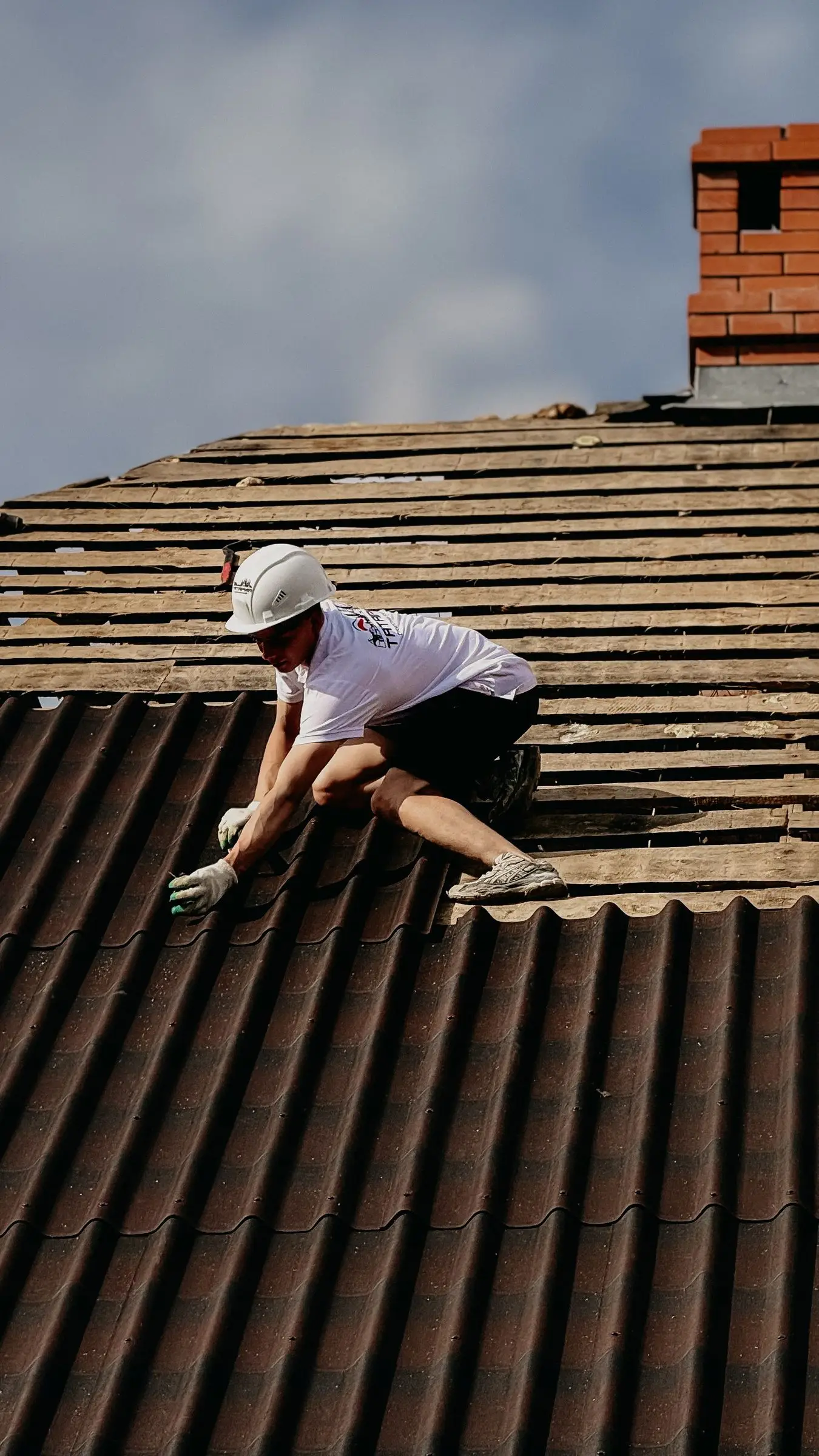
Roof repair
Roof repair in Miami comes down to finding where the water really gets in. On most homes here that’s one of three places: tile that has slipped or cracked, a flat roof that holds water, or the flashing where the roof meets a wall, a vent or a skylight. A stain on the ceiling is often several feet away from the actual hole, because water runs along the underlayment and the framing before it drips. We trace it back, photograph the source and fix that, not the spot that happens to be wet.
Tile repairs
Concrete and clay tile is tough, but it doesn’t flex. A falling palm frond, a heavy foot or a tile that was set loose years ago can crack or shift it, and a gap of a finger’s width is enough to let a summer downpour through.
When we repair tile we lift the tiles around the problem, check the underlayment underneath and replace any that’s torn or dried out. Then we reset the tile with adhesive or fasteners the way the code requires in the hurricane zone, so the repaired patch is as strong as the rest of the roof. If your tile is an older profile or color that’s hard to find, we look for a match before we quote and show it to you.
Valleys and ridges
The valleys, where two slopes meet, carry more water than any other part of a tile roof. Their metal can rust through and the mortar or foam beside them can wash out. Ridge and hip tiles take the most wind. These are the places we check first on any tile roof, and they’re the repairs that most often turn a leaking roof back into a dry one without a full re-roof.
Flat roof repairs
Flat and low-slope roofs cover a lot of homes, additions and carports in Miami and Hialeah. They don’t fail the way pitched roofs do. They fail at seams, at the edges and wherever water sits.
- Ponding. If you can see water on the roof two days after a storm, the slope or the drain isn’t doing its job. We find the low area and build it up with tapered insulation or clear the drain so the water moves.
- Open seams. Heat and sun shrink and crack the seams of a membrane. We cut out the bad section and lap in new material, heat-welded or torched to the old.
- Parapet walls. The joint between a flat roof and a block parapet is where most flat-roof leaks start. We strip old tar patches, fix the base flashing and seal the cap on top of the wall.
- Blisters. Bubbles in the membrane mean moisture underneath. Small ones can be cut and patched. A roof covered in them is usually telling you the insulation is wet.
Metal and shingle repairs
On metal roofs we replace failed fasteners and sealant, reseal flashing at walls and penetrations, and fix panels that have lifted at the edges. On shingle roofs we replace lifted or missing shingles, reseal nail pops and change cracked rubber boots around plumbing vents, one of the most common leaks on any roof.
Leaks around vents, skylights and walls
Anywhere something passes through the roof, or the roof stops against a wall, there’s flashing, and flashing is where most repairs start. Skylights in particular leak from their flashing kit more often than from the glass. We take it apart, replace what’s failed and put it back in the right order, so water is lapped over each layer rather than running behind it.
How a repair visit goes
You call or book online. We set a time, and once we’re on the roof we photograph the problem and anything else worth knowing about. Before we leave you get the photos and a written price for the repair, and often we can do the work on the same visit if you want it done. If we find damage that looks like it came from a storm, we’ll tell you, and you can decide whether to get a full hurricane damage inspection first.
We don’t start work without your go-ahead on a written number. We also won’t sell you a roof you don’t need. If the honest answer is that a few repairs will carry the roof for years, that’s what you’ll hear.
When repair isn’t the answer
Sometimes the photos tell a different story: underlayment that’s brittle everywhere, a flat roof with soaked insulation from wall to wall, or tile that’s cracking faster than it can be replaced. Repairs on a roof like that cost money every rainy season and still leak. We’ll show you why we think so, price a repair anyway if you want one, and give you a separate price for a roof replacement so you can compare. If the damage came from a storm and you’re making a claim, our insurance claim paperwork covers what your insurer will ask for.
Where we repair roofs
We repair roofs across Miami, Hialeah and Coral Gables, on block homes and townhouses, Mediterranean houses with clay barrel tile, and newer builds with metal and flat roofs. Call or book online and you’ll have the photos before the next rain. For what you can keep an eye on yourself between visits, our guide to tile roof care in Miami covers the yearly routine.
Roof repair by town
- Roof repair in Miami, FLBarrel tile in Little Havana, flat roofs on duplexes in Allapattah and metal on new builds near the river.
- Roof repair in Hialeah, FLFlat and low-slope roofs on block homes, plus the shingle and tile roofs on Hialeah's newer streets.
- Roof repair in Coral Gables, FLClay and concrete tile on Mediterranean homes, re-roofed to the city's design rules and the hurricane code.
Guides
- Miami-Dade Product Approvals for Roofing, ExplainedWhat a Miami-Dade product approval is, why every roofing material here needs one, and how to check the approval numbers on your roofing estimate.
- Tile Roof Care in Miami: What Wears Out and When to ActTile roof care for Miami homes. Why the underlayment gives out before the tile, how to handle broken pieces, and what to check after heavy rain.
Questions about roof repair
Can you repair a tile roof without breaking more tiles?
We walk tile the way it's meant to be walked, on the lower edge of each tile where it's supported, and we carry spares. Older clay tile can still crack underfoot, so if one breaks while we're working, we replace it at no charge and show you the photo.
How do I know if a repair will last?
We tell you how long we expect it to hold and why. A slipped tile or a cracked boot is a clean fix that should last as long as the roof around it. A patch on a flat roof whose insulation is already soaked is a stopgap, and we'll call it that.
Do I need a permit for a roof repair?
Small repairs often don't, but larger ones can, and the threshold depends on the city and the size of the area. We check with the building department before we start and pull the permit when one is needed.
Is there a charge to come out and look?
No. The inspection and the photos are free. You only pay if you choose to go ahead with the repair at the written price.