Service area
Roofing in Miami, FL
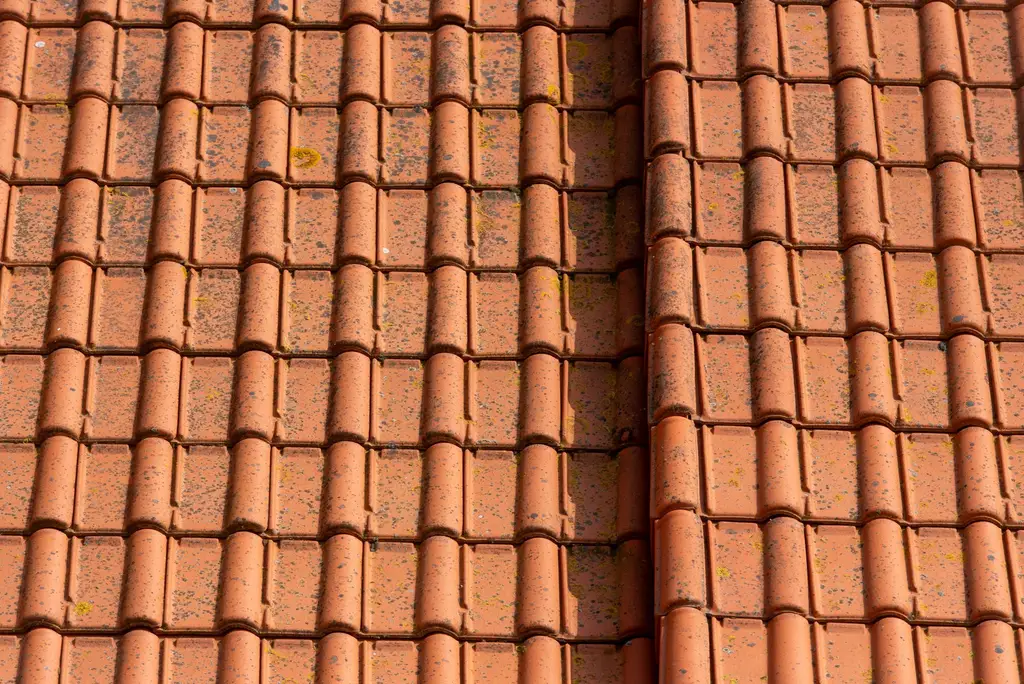
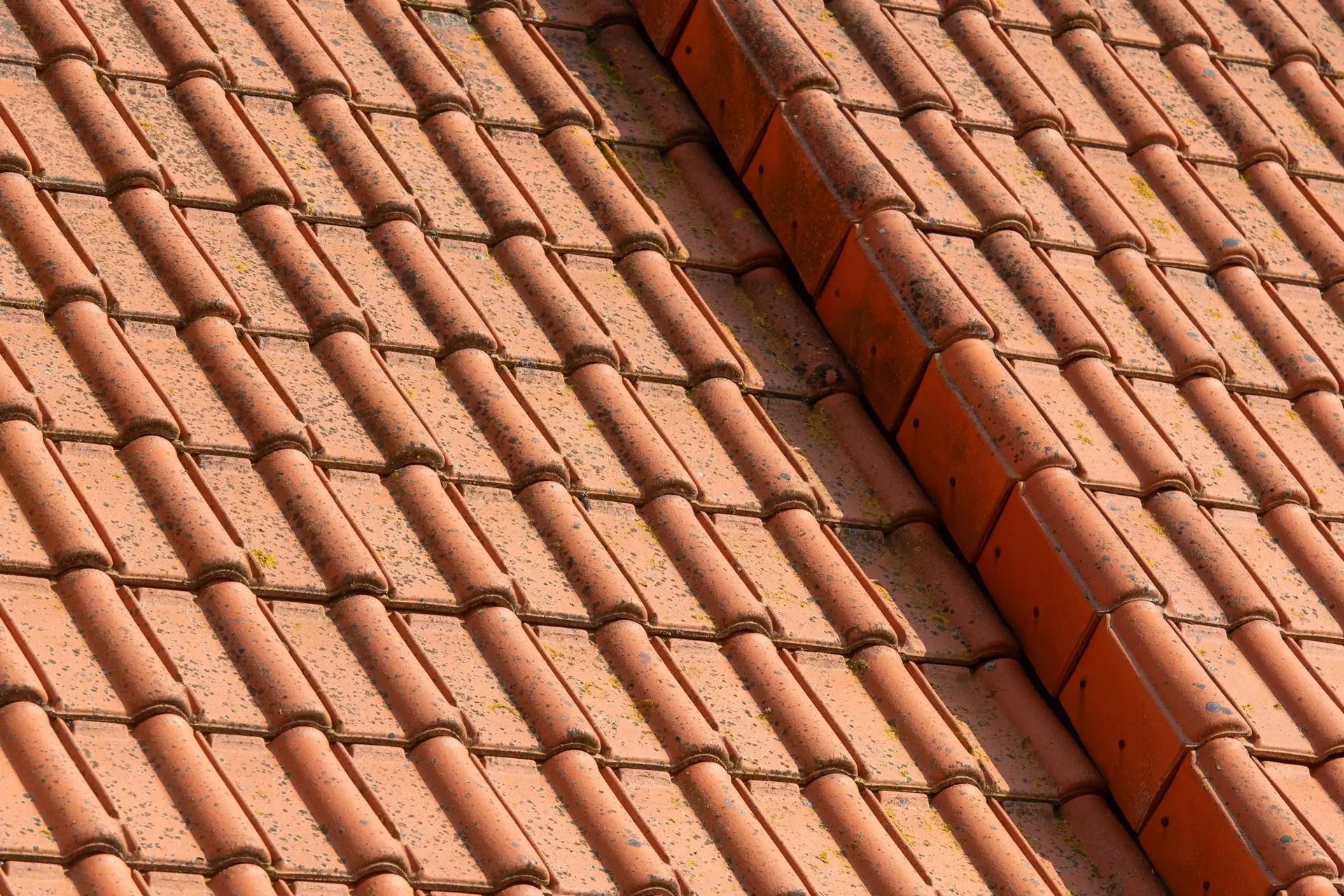
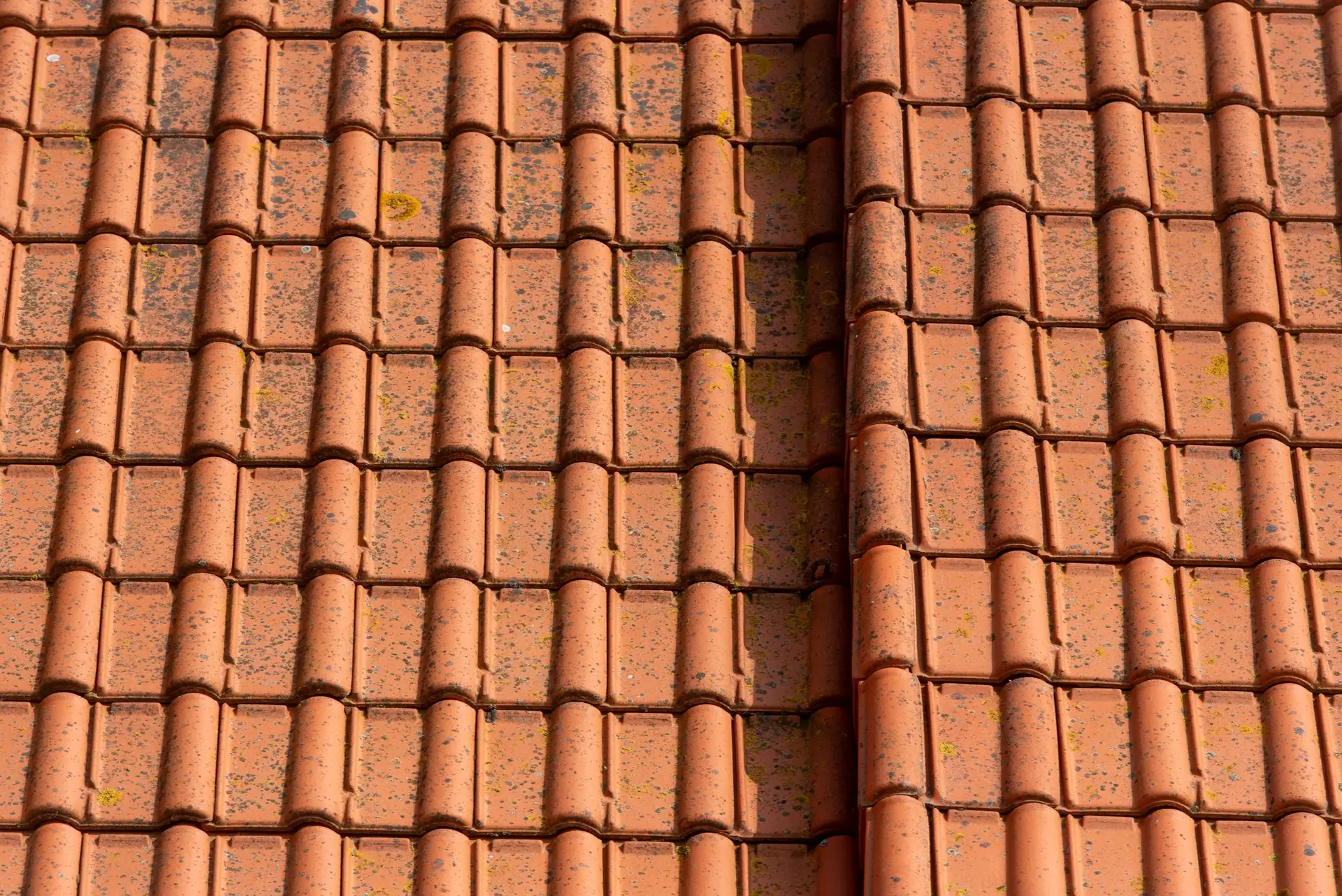
Barrel tile in Little Havana, flat roofs on duplexes in Allapattah and metal on new builds near the river.
Miami, FL
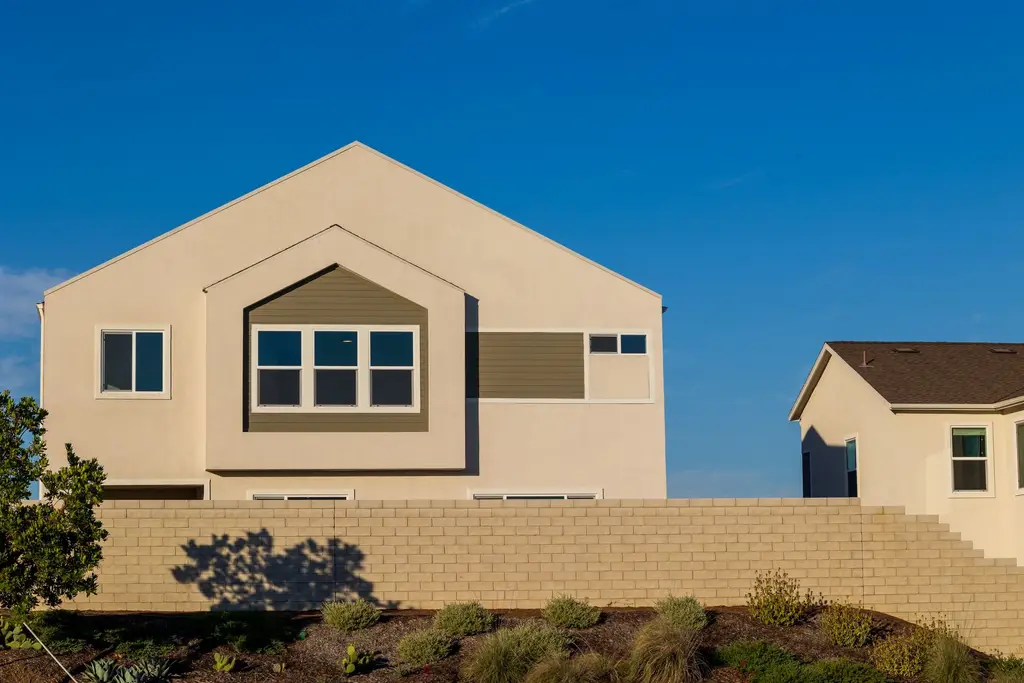
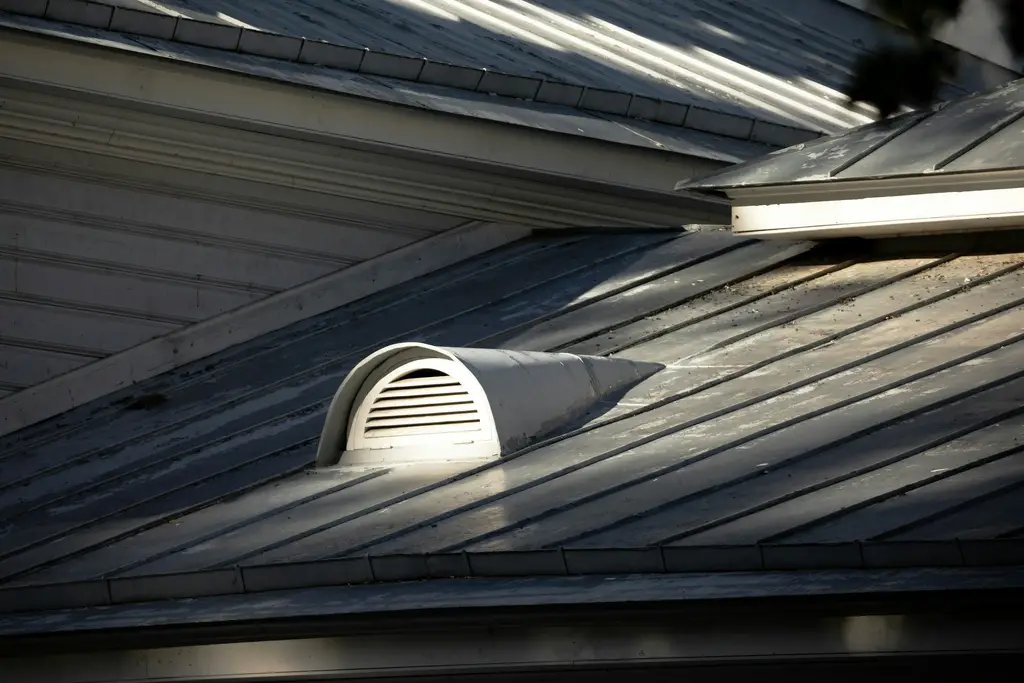
Roofing in Miami is mostly three kinds of roof, and each one fails in its own way. Barrel tile covers a lot of the older blocks in Little Havana and the streets around it. Flat roofs with parapet walls sit on duplexes and small apartment buildings across Allapattah and Little Haiti. Standing seam metal shows up more every year on new builds and additions near the river. Whatever is on your house, it has to meet the High Velocity Hurricane Zone rules when it’s repaired or replaced, and that shapes the price from the first visit.
The hurricane zone, in plain terms
Miami-Dade and Broward are the only counties in Florida inside the High Velocity Hurricane Zone. The rules came out of the rebuild after Hurricane Andrew in 1992, and they are stricter than anywhere else in the state. For a roof, that means three things you’ll notice:
- Approved products only. Tile, underlayment, metal panels, flat-roof membranes and even the adhesive have to carry an approval for use in the zone. We give you the approval number for what goes on your roof.
- Fastening by the book. The approval says how each product is attached: the foam adhesive or fasteners for tile, the clip spacing for metal. Inspectors check it.
- Inspections during the job. The building department looks at the underlayment before tile or metal covers it, then again at the end. The final bill comes after the final inspection passes.
Tile roofs: the tile is rarely the problem
Concrete and clay tile can last for decades. What usually gives out first is the underlayment under it, the layer that actually keeps water out. Once it dries and cracks, every heavy afternoon rain finds the gaps, and the first sign is often a ceiling stain far from where the water got in. Broken tiles from dropped branches, satellite installers or someone walking the roof in the wrong place make it worse.
A roof repair on tile means lifting the tiles around the leak, replacing the underlayment there, and setting the tile back with the approved method. When the underlayment has failed across most of the roof, a roof replacement is the honest answer, and we’ll show you the photos that say so.
Flat roofs and parapet walls
Flat roofs leak where water sits. Drains and scuppers clog with leaves, water ponds for days, and seams that were fine in the dry season open up. The wall where the roof meets the parapet is the other weak spot: the flashing there cracks as the building moves, and water runs down inside the wall.
We clear the drains, check every seam and the parapet flashing, and price either a repair of the failing section or a new membrane over the whole roof. If a building has several owners, we put the report in writing so everyone sees the same facts.
Metal near the water
Salt air works on fasteners and trim long before it touches the panels. On metal roofs close to Biscayne Bay we check screws, clips and edge trim for rust, and we use fasteners rated for coastal exposure when anything gets replaced.
After the storm
When a storm passes over Miami, call before the ladder comes out. We do a hurricane roof inspection with dated photos of every slope, and if you’re filing a claim, our insurance claim paperwork puts the photos, the report and an itemized price in one place for your insurer.
Next door
Our crews also cover roofing in Hialeah to the northwest and roofing in Coral Gables to the southwest, so a quote for a family member’s house across the line is the same phone call.
Services in Miami
- Roof replacementTile, flat and metal re-roofs in Miami with approved products, a city permit and every inspection passed before the final bill.
- Roof repairRoof repair in Miami for slipped or broken tile, ponding on flat roofs and leaks around vents, skylights and parapet walls.
- Hurricane damageHurricane roof inspections across Miami-Dade, with dated photos of every broken tile, torn seam and lifted panel, and a written report.
- Insurance claim paperworkDated photos, a written damage report and an itemized repair price for your roof claim. You and your insurer decide the claim.
Guides
- Hurricane Roof Prep for Miami Homes: Before and AfterHurricane roof prep for Miami and Hialeah homes. What to check before the season, what to photograph, and what to do once the wind drops.
- Re-Roofing in an HOA: Approvals, Colours and TimingRe-roofing in an HOA community around Coral Gables and Miami. How architectural approval fits with the permit, picking an approved tile, and planning the job.
- Miami-Dade Product Approvals for Roofing, ExplainedWhat a Miami-Dade product approval is, why every roofing material here needs one, and how to check the approval numbers on your roofing estimate.
- Tile Roof Care in Miami: What Wears Out and When to ActTile roof care for Miami homes. Why the underlayment gives out before the tile, how to handle broken pieces, and what to check after heavy rain.
Questions from Miami
What is the High Velocity Hurricane Zone?
It's the part of the Florida Building Code that covers Miami-Dade and Broward counties, the strictest wind rules in the state. Every roofing product used here has to carry an approval for the zone, and the way it's fastened has to follow that approval.
My address says Miami, but I'm not sure I'm in the city. Does that matter?
It decides who issues the permit. Plenty of Miami mailing addresses sit in unincorporated Miami-Dade, where the county's building department handles it; inside city limits it's the City of Miami. We look up the property before we price the job and file with the right office.
Can a few broken barrel tiles be replaced, or does the whole roof go?
Usually they can be replaced. We match the profile and colour as closely as the market allows, set the new tiles to the approved method, and check the underlayment beneath them while the area is open. If the underlayment has failed across the roof, we show you the photos before anyone talks about a new roof.