Services
Hurricane Roof Inspection in Miami, With Dated Photos
Hurricane roof inspections across Miami-Dade, with dated photos of every broken tile, torn seam and lifted panel, and a written report.
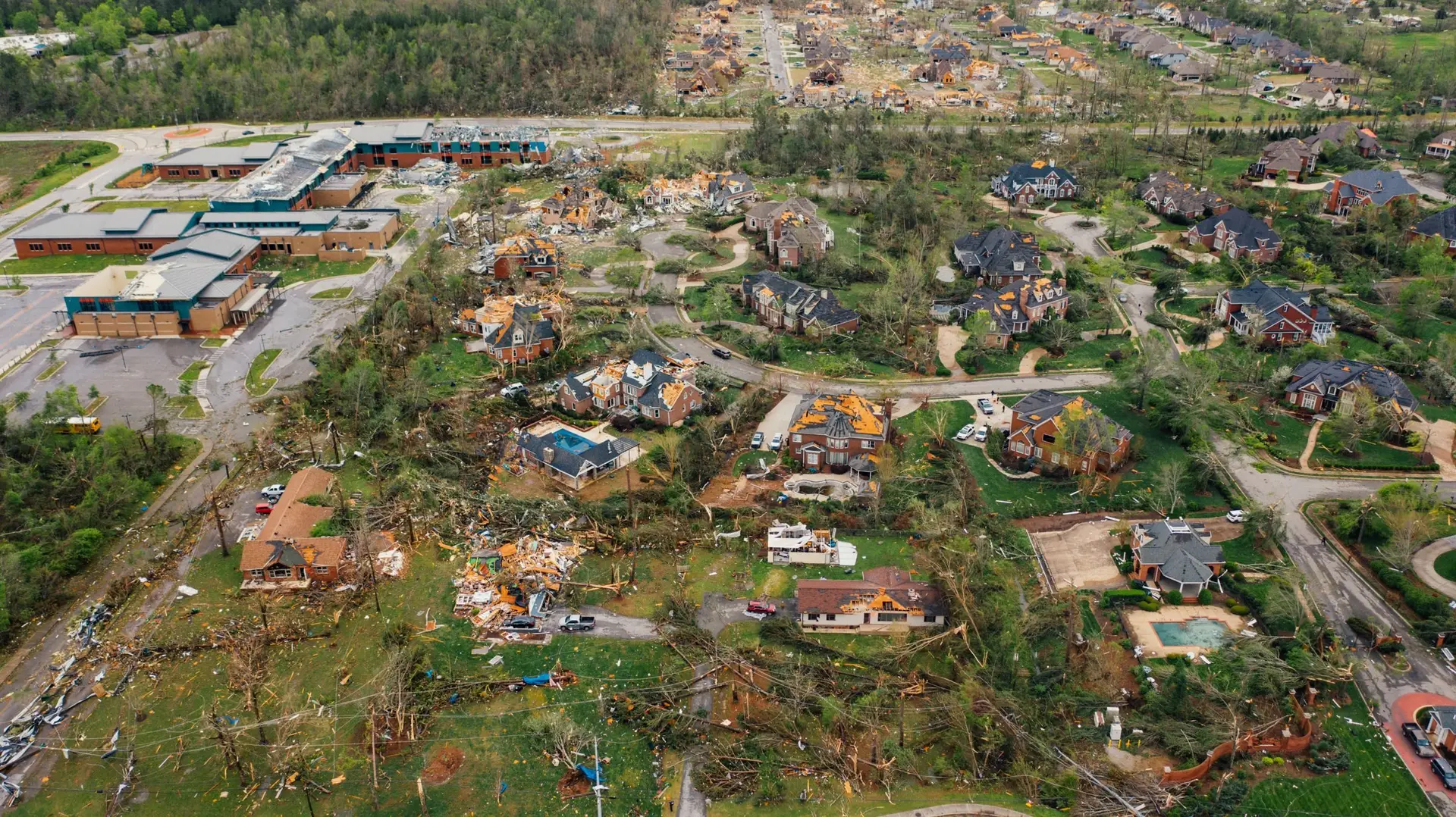
Hurricane damage
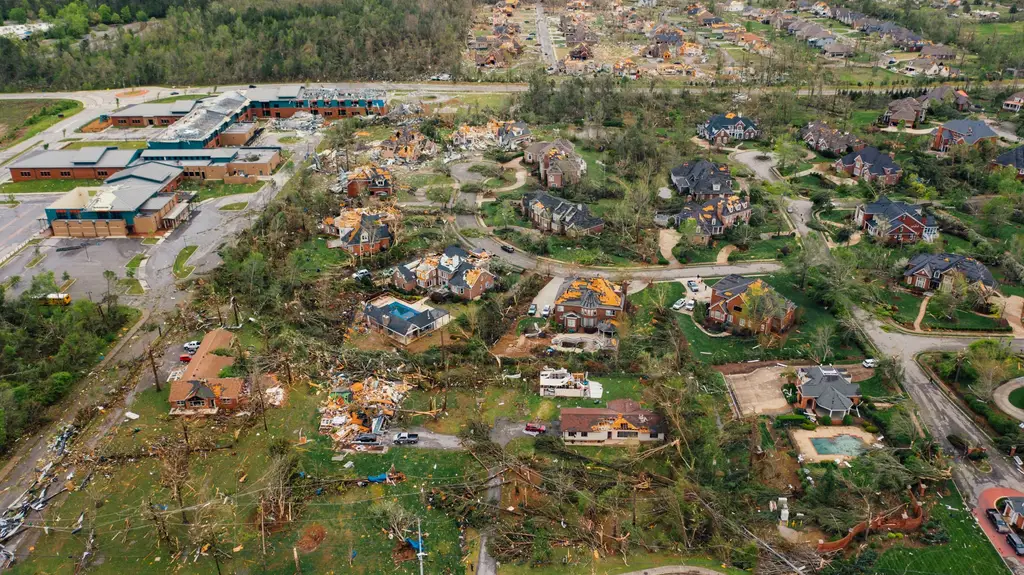
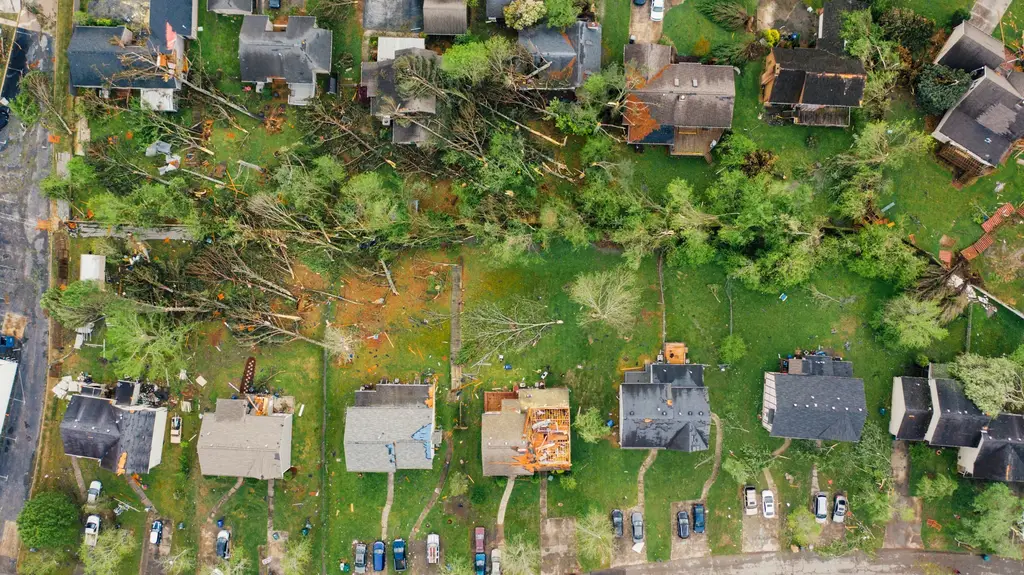
A hurricane roof inspection in Miami is about the damage you can’t see from the street. A tile roof can look whole from the sidewalk while a dozen tiles near the ridge are cracked or loose, a flat roof can look dry while its seams have opened at the parapet, and a metal roof can have a panel lifted at the edge just enough to let the next storm in. We go up after the wind, check every slope, photograph what we find and give you a written report you can use for a claim, or simply to know where the roof stands.
What hurricane winds do to Miami roofs
Wind doesn’t push straight down on a roof. It flows over it and pulls up, hardest at the edges, the corners and the ridge. That’s why most storm damage starts there and works inward.
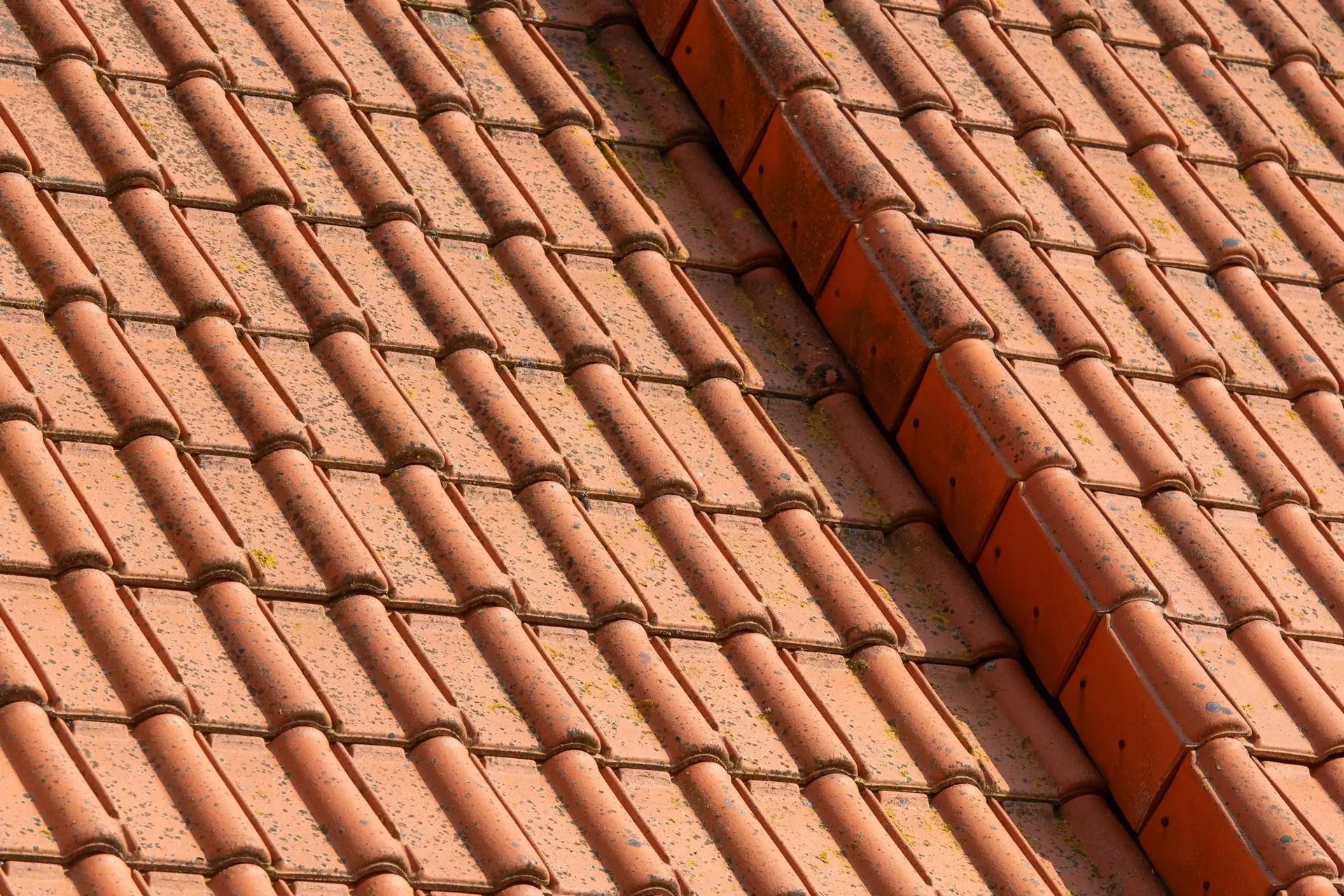
- Tile roofs. Tiles crack from flying debris and from each other as they lift and drop. Hip and ridge tiles come loose. Tiles that look fine can be broken free of their adhesive and sitting loose, ready to slide in the next blow.
- Flat roofs. Wind lifts the membrane at the edges and peels back flashing at the parapets. Debris punctures the surface. Clogged drains turn a heavy rain into standing water on a roof that was never built to hold it.
- Metal roofs. Panels lift at the eaves and rakes, clips pull, and trim at the edges bends or tears loose.
- Shingle roofs. Shingles crease, lift or tear off entirely, often in a line along the edge or the ridge.
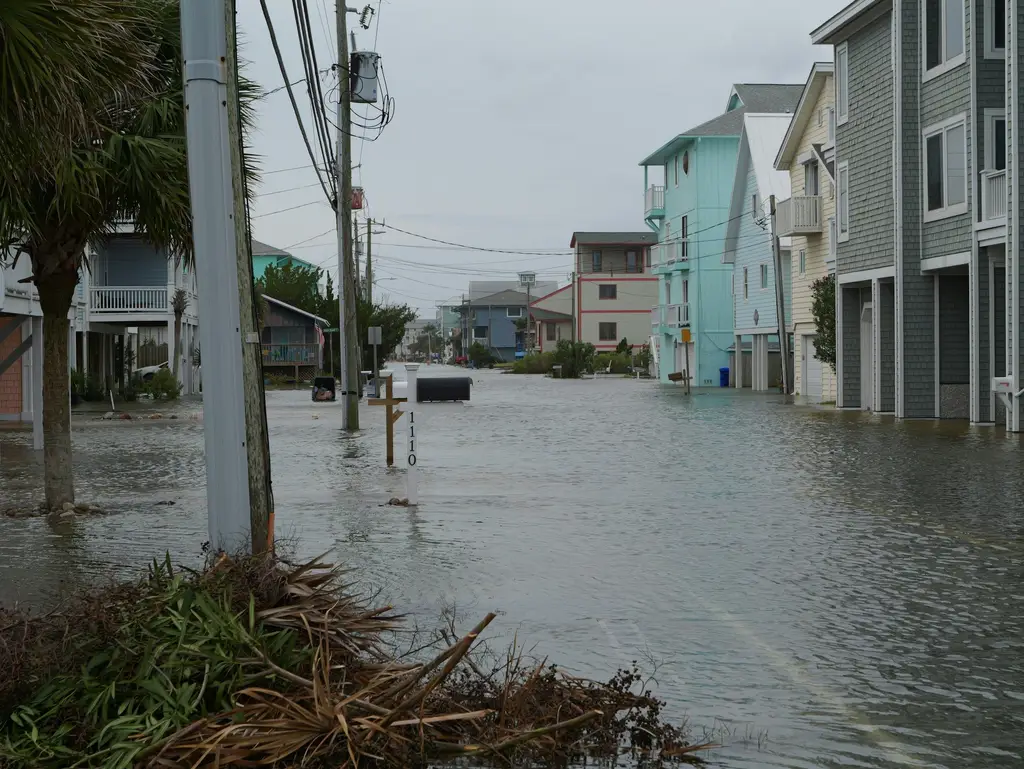
After the wind comes the water. A hurricane can drop heavy rain for hours, sideways, and any opening the wind made lets it in. That’s why a roof that held during the storm can start leaking a few days later.
What our inspection covers
We inspect the whole roof, not just the corner you noticed. Every slope, every valley, the ridge and hips, flashing at walls and around vents and skylights, gutters and drains, and the attic or roof cavity where we can get to it, because a wet deck or wet insulation tells you a lot about where water has been.
Every sign of damage gets a photo, close and wide, so it’s clear where on the roof it is. Every photo carries the date it was taken. The report describes what we found slope by slope, including the parts that came through fine, because a report that only lists problems doesn’t show the whole roof.
Temporary repairs
If water is getting in, the first job is to stop it. We cover the damaged area with a heavy tarp fastened to hold in the wind, or seal a flat-roof opening, so the inside of the home stays dry while you work out the permanent repair. We photograph the damage before the tarp goes on, so the record is complete.
Keep the invoice for temporary repairs. Your policy almost certainly asks you to protect your home from further damage after a loss, and that invoice shows you did.
After a big storm, the list gets long
When a hurricane hits Miami-Dade, every roofer’s phone rings at once. We work through calls in the order they come in, with active leaks first, and we tell you honestly when we can get there instead of promising a time we can’t keep.
Be wary of anyone who knocks on your door right after a storm offering a free roof or offering to cover your deductible. In Florida a contractor can’t offer to waive or pay a deductible, give you a rebate or a gift for an inspection or a claim, or negotiate your claim for you. Those offers are a warning sign, not a deal.
From inspection to repair
Once you have the report, you decide what’s next. If the damage is small, a roof repair may be all it needs. If it’s widespread, we’ll price a roof replacement and show you why. If you’re making a claim, our insurance claim paperwork gives you the photos, the report and a line-by-line price to send to your insurer. The decision on the claim is between you and them.
Getting ready before the next one
Most of what keeps a roof on in a hurricane is decided when it’s built: approved products, the right fastening and sealed edges. But there are things worth doing before every season. Have loose or cracked tiles fixed before June. Keep gutters and flat-roof drains clear. Trim branches back from the roof. If you’re not sure how the roof is attached, a wind mitigation inspection records it, and that report can affect your insurance too. Our hurricane roof prep guide has the full list, from the spring before the season to the morning after a storm.
We inspect roofs after storms across Miami, Hialeah and Coral Gables. Call or book online and we’ll get you on the list.
Hurricane damage by town
- Hurricane damage in Miami, FLBarrel tile in Little Havana, flat roofs on duplexes in Allapattah and metal on new builds near the river.
- Hurricane damage in Hialeah, FLFlat and low-slope roofs on block homes, plus the shingle and tile roofs on Hialeah's newer streets.
- Hurricane damage in Coral Gables, FLClay and concrete tile on Mediterranean homes, re-roofed to the city's design rules and the hurricane code.
Guides
Questions about hurricane damage
How soon after a hurricane should I get my roof checked?
As soon as it's safe to have someone on the roof. Damage that's small today, a cracked tile or a lifted seam, lets water in with every afternoon storm after it, and insurers expect you to protect the home from further damage. Earlier photos also make the timeline clearer.
Should I go up on the roof myself to look?
Please don't. Wet tile is slippery, cracked tile can give way, and storm debris hides soft spots. Take photos from the ground and of any ceiling stains inside, and leave the roof to someone with the right equipment.
What if the inspection finds no damage?
Then the report says so, with photos of every slope to back it up. That's a useful record too, if a leak shows up later and someone asks what the roof looked like after the storm.
Can you tarp my roof right away?
Yes. If water is getting in, we put on a temporary cover the same day or the next, depending on how many calls come in after the storm. You get photos of the damage before the tarp goes on and an invoice you can keep with your claim.